

Why Is My Package Stuck in Transit? 13 Real Reasons (and How to Fix It)
You refresh the tracking page for the fifth time today. Same result. Your package is stuck in transit, the little status bar hasn’t moved, and there’s no new scan, no new city, no new anything. If you’ve typed “why is my package stuck in transit” into Google in the last five minutes, take a breath first: in the overwhelming majority of cases, a stuck-looking package is not a lost package. It’s simply sitting in a system that doesn’t update as often, or as honestly, as you’d like.
In this guide, we’re going to walk through exactly what “in transit” really means behind the scenes, the 13 most common reasons a package gets stuck in transit, how long you should actually wait before worrying, and the precise steps to take to get your shipment moving again. We’ll also break down how this plays out differently across USPS, FedEx, UPS, DHL, and Amazon, since each carrier handles delays a little differently.
By the end, you’ll know exactly whether your package is genuinely delayed, quietly fine, or actually worth escalating.
What Does “In Transit” Actually Mean?
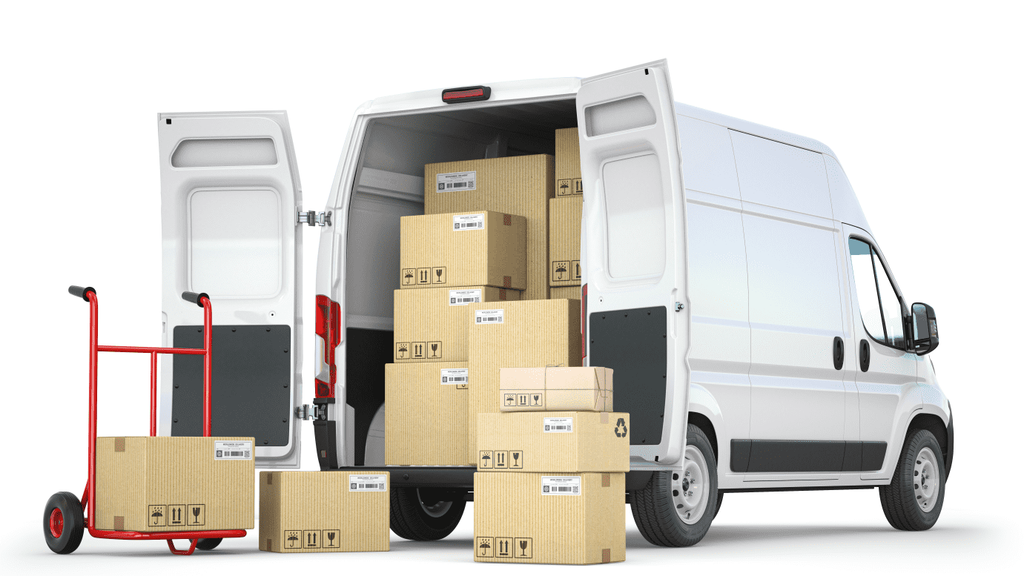
“In transit” is a status, not a location. It simply means your package has left one facility and is somewhere between there and its next scheduled stop. It does not mean the carrier is actively watching your box move in real time, and it doesn’t mean anything has gone wrong.
Package tracking is scan-based, not GPS-based. A barcode gets scanned every time your package physically passes through a checkpoint: a loading dock, a sorting facility, a delivery truck, a regional hub. Between those checkpoints, your package can genuinely be traveling for a full day or more with zero visible updates, because nobody scans it while it’s sitting in the back of a truck or a cargo container.
Why Tracking Doesn’t Update in Real Time
Every major carrier, including USPS, FedEx, and UPS, has publicly acknowledged that scan frequency varies depending on the shipping method, the distance being traveled, and how busy the network is that week. A package moving cross-country by ground can easily go 24 to 48 hours between scans purely because it’s physically in transit on a truck or a train, not because anything is wrong.
The Real Difference Between “In Transit” and Actually Stuck
There’s a meaningful difference between a package that’s “in transit” (normal, expected, just between scans) and a package that’s genuinely stuck (no movement, no scan, and no realistic explanation for multiple days in a row). The rest of this guide will help you tell the two apart.
How Long Should a Package Stay “In Transit” Before You Actually Worry?
There’s no single universal number, but here are realistic benchmarks based on standard carrier service guidelines:
- Domestic ground shipping (USPS Ground Advantage, UPS Ground, FedEx Ground): No new scan for 3 to 5 business days is worth a closer look.
- Domestic express or priority shipping: No new scan for 24 to 48 hours past the estimated delivery date is a reasonable point to contact the carrier.
- International shipments: No new scan for 2 to 4 weeks isn’t unusual, especially if the package is going through customs (more on that below).
- Around major holidays: Add 3 to 7 extra days of buffer to all of the above. Peak season volume genuinely slows every carrier down, including in 2026, when several carriers announced early and elevated peak-season surcharges well ahead of the holidays.
If your package falls comfortably inside these windows, it’s very likely just moving quietly through the network. If it’s well past them, move on to the causes and fixes below.
13 Real Reasons Your Package Is Stuck in Transit
1. No New Scan Yet (This Is Usually Completely Normal)
This is, by far, the most common reason. Your package is physically moving, but it simply hasn’t crossed a scanning checkpoint recently. Long-haul truck routes, overnight linehauls, and cross-country flights can all create long gaps between visible updates.
2. Sorting Facility Backlogs and Volume Surges
Sorting facilities process enormous volumes of packages every single day, and that volume isn’t constant. Retail sales events, holiday shopping, and even regional surges (a big local event, a product launch) can create temporary backlogs that push your package’s scan-and-forward time back by a day or two.
3. Severe Weather and Natural Disasters
Snowstorms, hurricanes, flooding, and wildfires don’t just delay flights, they close roads, shut down regional hubs, and force carriers to reroute entire truck routes. Weather-related delays are one of the most common causes of a package sitting in the same status for several days in a row, and they’re completely outside any carrier’s control.
4. Incomplete, Incorrect, or Unreadable Address Information
A missing apartment number, a transposed ZIP code, or a smudged label can cause an automated sorting machine to reject a package for manual review. This is one of the few causes that’s genuinely preventable on the sender’s side; always double-check the full address, including unit numbers, before a package ships.
5. Customs Clearance Delays (International Packages Only)
If your package is crossing a border, it can sit in a “stuck” looking status while customs officials review paperwork, calculate duties, or select it for physical inspection. Missing documentation, unpaid duties, or restricted item classifications can all add days or weeks to this step. We cover this in more detail in our guide on how long a package can legally stay in customs.
6. Carrier Handoff Between Networks
Many “discount” or hybrid shipping services, like USPS’s regional partner programs or FedEx SmartPost/Ground Economy, physically hand a package off from one carrier’s network to another partway through its journey. That handoff point is a well-documented source of tracking gaps, because the two systems don’t always sync data instantly.
7. Staffing and Driver Shortages
The logistics industry has faced ongoing driver and warehouse staffing shortages, and 2026 has been no exception, with several industry reports citing tightening trucking capacity as a factor behind rising transportation costs. Fewer available drivers and sorters directly translates to slower processing at busy facilities.
8. Equipment Malfunctions at Sorting Centers
Modern sorting facilities depend on high-speed conveyor and scanning machinery. When that equipment goes down, even briefly, for maintenance or repair, it can create a temporary bottleneck that delays every package moving through that specific facility that day.
9. Oversized, Fragile, or Irregularly Shaped Packaging
Packages that don’t fit standard automated sorting equipment, oversized boxes, odd shapes, or items flagged as fragile, often get pulled aside for manual handling. Manual processes are inherently slower than automated ones, which can make a package appear stuck between scans.
10. High-Value or Flagged Items Selected for Manual Inspection
Certain categories of goods (electronics, restricted materials, high-declared-value items) are more likely to be pulled for a manual security or compliance check, both domestically and especially at international borders. This isn’t necessarily a red flag on your specific package; it’s often a random or category-based selection.
11. Labor Disputes, Strikes, or Service Disruptions
Labor negotiations occasionally lead to slowdowns or, in rarer cases, service disruptions. As of 2026, for example, labor representatives for one major parcel carrier’s unionized workforce have already flagged possible tension ahead of a future contract negotiation, a reminder that broader labor conditions can occasionally ripple down into individual delivery timelines.
12. Global Shipping Route Disruptions
If your package originated overseas, it may have traveled by ocean freight before ever reaching a domestic parcel network. Ongoing disruptions in key global shipping corridors, including repeated vessel rerouting around Africa due to Red Sea and Strait of Hormuz tensions, have added real transit time to many international shipping lanes throughout 2026. A delay at this stage shows up much later as a “stuck” domestic tracking status.
13. A Genuinely Lost or Misrouted Package
This is the least common cause, but it does happen. If a package misses a scan entirely, gets placed on the wrong truck, or is damaged beyond recognition of its label, it can become genuinely lost. We’ll cover exactly how to confirm this and what to do about it next.
How to Tell the Difference Between “Delayed” and “Lost”
Ask yourself these questions:
- Has it been longer than the benchmark windows listed above for your specific shipping method?
- Has the estimated delivery date already passed by more than a couple of days?
- Is the last scan location illogical, for example, moving further away from your delivery address rather than closer?
- Has the tracking status frozen completely, with absolutely no updates, rather than showing periodic movement?
If you answered yes to two or more of these, it’s time to actively contact the carrier rather than simply waiting it out.
What to Do When Your Package Is Stuck in Transit (Step-by-Step)
- Double-check the tracking number. A single mistyped character will show you completely unrelated or blank tracking information. Copy and paste directly from your confirmation email rather than retyping it.
- Compare against the benchmark windows above. If you’re still within a normal range for your shipping method, the best move is simply to wait another day or two.
- Check the carrier’s service alerts page. USPS, FedEx, UPS, and DHL all publish real-time service disruption notices for weather events, regional slowdowns, and facility issues that might explain the delay.
- Contact the carrier directly with your tracking number ready. Ask specifically for the last known scan location and whether any exceptions have been logged internally, even if they haven’t shown up on the public tracking page yet.
- Contact the seller or shipper. If you purchased the item, the seller may have more direct visibility through their shipping account, and many marketplaces have buyer-protection policies for shipments that never arrive.
- File a missing mail or lost package claim once you’re past the carrier’s official threshold for doing so. For USPS, that’s typically after 7 days for a Missing Mail search, and a formal claim once the shipment is confirmed lost. FedEx and UPS have similar windows through their claims departments.
- Request a refund or replacement if the shipment is officially confirmed lost or excessively delayed and covered by shipping insurance or carrier guarantees.
- Use a multi-carrier tracking tool like SwiftGrid Express so you’re monitoring your shipment’s real status in one place instead of jumping between five different carrier websites and apps.
How This Plays Out Differently by Carrier
USPS
USPS tracking statuses like “In Transit, Arriving Late” specifically flag packages that are running behind schedule. USPS allows Missing Mail search requests starting 7 days after mailing, which is the right move if a package has been stuck with no updates for over a week. You can start that process directly on the official USPS Missing Mail page (usps.com/help/missing-mail.htm).
FedEx
FedEx has been explicit that scan frequency can legitimately vary by more than 24 hours on long routes, and that this alone doesn’t indicate a problem. If your FedEx package is significantly overdue, check FedEx’s own tracking support page (fedex.com/en-us/tracking.html) for current service alerts before assuming the worst.
UPS
UPS packages that sit in “In Transit” for multiple days are often simply working through a regional hub during high-volume periods. UPS’s tracking support center (ups.com/us/en/support/tracking-support.page) lets you request a formal investigation once a package is significantly overdue.
DHL
DHL’s international network is especially prone to visible tracking gaps during customs clearance, since customs processing happens outside DHL’s own scanning system. If your DHL package is international and stuck, check its customs status specifically before contacting the carrier.
Amazon Logistics
Amazon has been steadily expanding the share of its own deliveries handled through its own driver network rather than USPS or UPS. Amazon’s own delivery updates can occasionally lag behind the actual location of the package, particularly on high-volume delivery days; the Amazon app’s chat support is usually the fastest way to get a real-time answer.
Stuck in Transit on an International Shipment? Here’s What’s Different
International packages face an extra layer that domestic shipments simply don’t: customs. A package can be fully “in transit” from the carrier’s perspective while it’s actually sitting untouched in a customs holding area waiting for a human to review paperwork, verify duties were paid, or select it for random inspection.
If your package is international and stuck, it’s worth understanding the HS code and duty process that governs how customs categorizes your shipment, since incomplete or inaccurate customs paperwork is one of the single biggest causes of extended international delays. Missing commercial invoices, understated item values, and restricted item classifications can all add one to three weeks to an otherwise normal shipping timeline.
How to Prevent Packages From Getting Stuck in Transit in the Future
If you’re a seller, small business owner, or frequent shipper, a few habits meaningfully reduce how often this happens:
- Triple-check the destination address, including apartment or suite numbers, before printing a label.
- Choose a trackable, scan-heavy service level rather than the cheapest possible option, especially for higher-value items.
- Avoid shipping right before major holidays when volume surges are predictable and largely unavoidable.
- Package fragile or oddly shaped items to fit standard sorting equipment wherever possible, to avoid manual handling delays.
- Provide complete, accurate customs documentation on every international shipment, including a realistic declared value.
- Use a reliable, well-reviewed carrier for the specific lane you’re shipping on; some regional and international routes are handled far more consistently by certain carriers than others.
A Quick Real-World Example
Here’s a scenario that plays out constantly during peak shipping season. A customer orders a birthday gift for two-day delivery. On day one, tracking shows “departed origin facility.” On day two, nothing. On day three, still nothing, and the estimated delivery date has already come and gone. Naturally, the customer assumes the worst.
What actually happened, in a case like this, is almost always mundane: the package arrived at a regional hub during an unusually high-volume week, sat in a queue behind thousands of other packages waiting to be sorted, and simply hadn’t been re-scanned yet. On day four, it suddenly shows three status updates at once, “arrived at facility,” “departed facility,” and “out for delivery,” all within a few hours of each other. The package itself never stopped moving through the system; the visibility into that movement was just delayed.
This pattern repeats constantly across every major carrier, and it’s exactly why patience paired with a clear benchmark (rather than panic at the first missed update) is almost always the right first response. The exceptions, genuine loss, address errors, or a stalled customs review, are real, but they’re the minority of cases, not the majority.
Track Every Carrier in One Place With SwiftGrid Express
One of the most frustrating parts of a stuck package isn’t just the delay, it’s not knowing where to look for real answers. SwiftGrid Express brings USPS, FedEx, UPS, DHL, and dozens of regional carriers into a single tracking dashboard, so you get one consistent status update instead of piecing together information across five different apps and websites. If you’re dealing with a shipment that looks stuck right now, track your package at swiftgridexpress.com/track to see its full scan history in one place.

Frequently Asked Questions
Is my package lost if it’s been stuck in transit for a week?
Not necessarily. A week without a scan is unusual for domestic ground shipping but still within a normal range for many international shipments, especially anything going through customs. Compare your specific timeframe against the benchmarks earlier in this guide before assuming it’s lost.
Will I get a refund if my package never arrives?
In most cases, yes, if the shipment was insured, covered by a carrier’s money-back guarantee, or purchased through a marketplace with buyer protection. You’ll typically need to wait until the carrier officially classifies the package as lost before a refund or replacement can be processed.
Why does my tracking say “in transit” but the last scan location is far from my house?
This usually means the package is routed through a regional hub before reaching your local delivery facility, which is completely normal, even if the geography looks like it’s moving in an unexpected direction temporarily.
Can weather really delay a package for several days?
Yes. Major storms, flooding, and extreme heat or cold can shut down regional sorting hubs and delivery routes entirely, and the resulting backlog can take several days to fully clear even after the weather improves.
Does “in transit” mean my package is actively moving right now?
Not necessarily. It means the package has left one facility and hasn’t yet been scanned at the next one. It could be actively moving on a truck, or it could be sitting in a staging area waiting for its next scheduled transport.
How do I actually reach a human at USPS, FedEx, or UPS about a stuck package?
Each carrier has a dedicated customer service line and live chat option through their official support pages. Have your tracking number ready before you contact them, since it dramatically speeds up the conversation.
Why is my international package stuck in transit longer than a domestic one would be?
International shipments pass through an extra step, customs clearance, that domestic packages never encounter. Even a smoothly moving shipment can appear “stuck” for one to three weeks while customs paperwork and duty payments are processed.
Should I be worried if my package has been stuck in transit for over a month?
At that point, yes, it’s reasonable to treat the shipment as likely lost and begin the formal claims process with the carrier or seller, since this is well outside even generous international timeframes.
Final Thoughts
A package stuck in transit is stressful, but it’s rarely a sign that something has gone permanently wrong. In most cases, it’s a scan gap, a busy sorting facility, a weather event, or a customs review, all things that resolve themselves within a matter of days. Use the benchmarks and troubleshooting steps in this guide to figure out whether you’re dealing with a normal delay or a genuine problem, and don’t hesitate to contact the carrier directly once you’re past the expected window. And if you’d rather monitor everything from one dashboard instead of refreshing five different tracking pages, SwiftGrid Express has you covered.
Pingback: Package Tracking Not Updating for Days? 9 Proven Fixes That Work - SWIFTGRIDEXPRESS
Pingback: Departed Shipping Partner Facility, The Hidden USPS Status, Decoded - SWIFTGRIDEXPRESS
Pingback: How Long Can a Package Legally Sit in Customs? The Definitive Timeline - SWIFTGRIDEXPRESS
Pingback: "In Transit" vs "In Transit, Arriving Late": The Real Difference Revealed - SWIFTGRIDEXPRESS
Pingback: Tracking Number Not Working? The Real Reasons, Plus a Warning Worth Reading - SWIFTGRIDEXPRESS