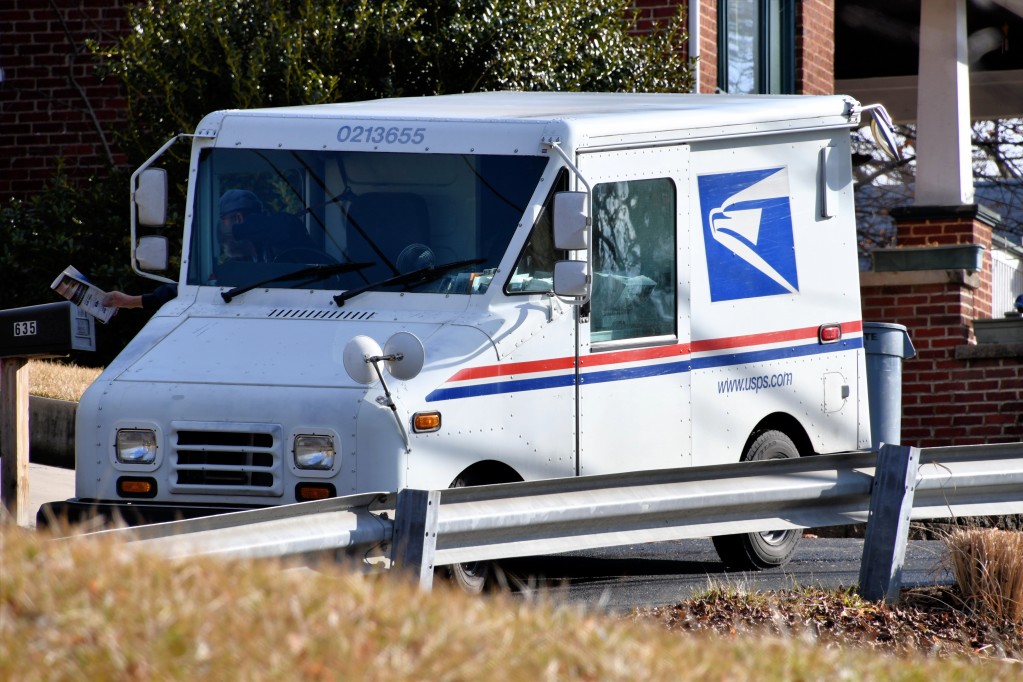

“In Transit” vs “In Transit, Arriving Late”: The Real Difference Revealed
Two tracking statuses, one word apart, and completely different emotional reactions. Plain “in transit” barely registers, it’s the default, expected, boring status your package sits in for most of its journey. But the moment it changes to in transit, arriving late, most people’s stomachs drop a little, even though, as we’ll get into, that reaction is almost backwards from how you should actually feel about it.
In this guide, we’re breaking down exactly what separates ordinary “in transit” from in transit, arriving late, what triggers the change, how long the resulting delay typically lasts, and why, counterintuitively, seeing an explicit in transit, arriving late flag is often better news than a plain “in transit” status that’s gone quiet for too long.
The One-Sentence Answer
Plain “in transit” simply confirms your package is somewhere inside the carrier’s network and moving toward its next checkpoint, while in transit, arriving late is a specific, system-generated flag confirming the carrier has detected that the package will miss its original estimated delivery date.
What Plain “In Transit” Actually Means
“In transit” is the broadest, most common status a package can carry. It confirms two things and nothing more: the package has been scanned into the carrier’s network, and it hasn’t reached its final delivery stage yet. It says nothing about whether the shipment is on schedule, running early, or running behind. A package can be perfectly on time and show plain “in transit,” and a package that’s several days delayed can also show plain “in transit” if the system hasn’t yet flagged the delay explicitly.
What “In Transit, Arriving Late” Specifically Means
In transit, arriving late is a more specific, more informative version of the same underlying status. It appears once the carrier’s own system compares the package’s actual progress against its originally calculated delivery estimate and determines that the two no longer match. Critically, in transit, arriving late is not a customer complaint or an external report, it’s an internal, automated determination the carrier’s own tracking system makes based on real transit data.
The Overlooked Third Status: “In Transit, Arriving On Time”
Here’s a detail most explanations skip entirely: USPS specifically uses two parallel versions of this status, “In Transit, Arriving On Time” and in transit, arriving late, rather than a single generic “in transit” label once a package is actively moving with an estimate attached. In other words, once your package has a delivery estimate calculated, the system is continuously reassessing whether it’s still on pace, and explicitly telling you which of the two outcomes currently applies. In transit, arriving late simply means that ongoing comparison flipped from “on time” to “behind.”
Side-by-Side: How These Statuses Actually Differ
- Plain “In Transit”: Package is moving. No explicit statement about whether it’s on schedule.
- “In Transit, Arriving On Time”: Package is moving and currently tracking to meet its original estimated delivery date.
- In Transit, Arriving Late: Package is moving, but the system has determined it will miss its original estimated delivery date, typically by 1 to 5 additional business days.
Understanding this three-way distinction is the real key to reading your tracking page correctly. In transit, arriving late isn’t a downgrade from “in transit,” it’s actually a more detailed, more transparent version of it.
Why “In Transit, Arriving Late” Is Genuinely Good News
This is the part that surprises people the most: in transit, arriving late confirms several reassuring facts at once. As one detailed guide to this exact USPS status puts it, seeing this update actually confirms your package is still in the USPS system, that USPS has acknowledged the delay, and that the package continues to move, none of which describe a lost or abandoned shipment. It confirms the carrier is aware of the delay, rather than you being the one to discover it. And it confirms the package is still actively moving toward you, not sitting abandoned somewhere. A plain, unexplained silence on a generic “in transit” status for many days, with no explicit “arriving late” flag at all, is arguably more concerning than in transit, arriving late, precisely because the system hasn’t yet acknowledged anything is off.
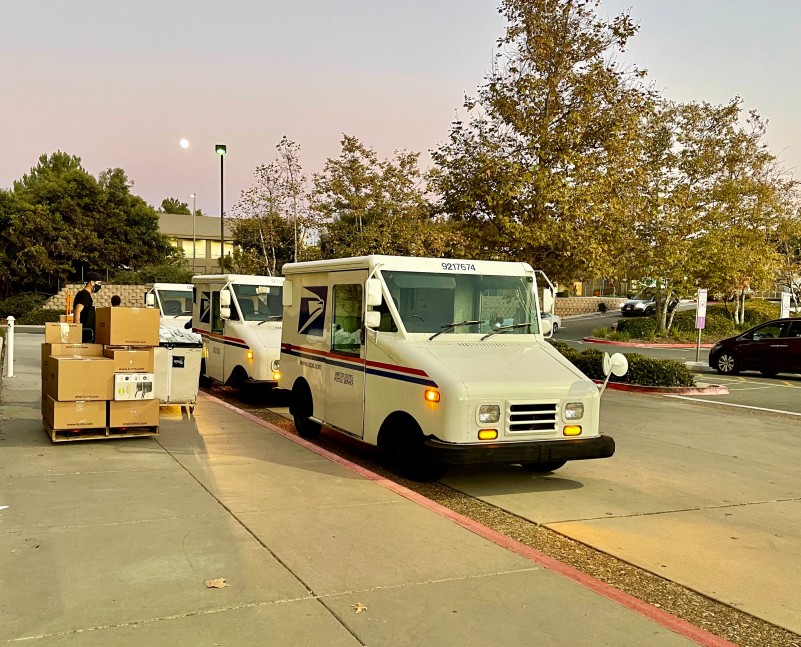
The Real Causes Behind an “Arriving Late” Flag
1. Severe Weather
Snowstorms, hurricanes, flooding, and extreme heat can halt transportation and force processing facilities to close temporarily, directly triggering in transit, arriving late for every shipment moving through the affected region.
2. High Mail and Package Volume
Peak periods, the holiday season, tax season, back-to-school shopping, and major sales events like Black Friday, all overwhelm processing capacity simultaneously, causing in transit, arriving late to appear across a large share of shipments moving through busy facilities at once, a pattern USPS’s own seasonal delay guidance specifically calls out as one of the leading causes.
3. Processing Facility Equipment Issues
Sorting machinery downtime at a single facility can create a localized backlog, and every package routed through that facility during the outage can pick up an in transit, arriving late flag as a direct result.
4. Missed or Delayed Scans
Sometimes a package simply wasn’t scanned as quickly as expected between two checkpoints, and once enough time passes without a scan, the system automatically recalculates the estimate and applies in transit, arriving late even though the physical package may not actually be behind schedule at all.
5. Transportation and Routing Delays
Truck breakdowns, flight cancellations, and route changes can each independently push a shipment behind its original timeline, generating the same in transit, arriving late designation regardless of the specific transportation mode involved.
Why USPS Built a Dedicated Status for This
It’s worth understanding why USPS bothers distinguishing in transit, arriving late from plain “in transit” at all, rather than just leaving every moving package under one generic label. As one detailed explainer on how USPS calculates transit estimates describes, USPS defines “in transit” broadly as anywhere within its network, whether that’s en route to a regional center or undergoing a main transportation leg, and layers a specific “Arriving on Time” or “Arriving Late” designation on top once an estimate exists to measure against. Building this extra layer of transparency directly into the tracking system reduces the volume of “where is my package” inquiries USPS would otherwise receive, since customers get proactive notice of a delay rather than discovering it only once a delivery date has already passed silently.
How Long Does the Delay From “In Transit, Arriving Late” Actually Last?
Most shipments that pick up an in transit, arriving late flag still arrive within 1 to 5 additional business days of the original estimate. The status itself doesn’t specify a new delivery date, only that the original one won’t be met, which is admittedly one of its few genuine shortcomings. If in transit, arriving late persists for significantly longer than this typical window, particularly beyond 7 to 10 days past the original estimate, it becomes reasonable to contact the carrier directly rather than continuing to wait passively.
Does Every Carrier Use an Equivalent Status?
USPS is the carrier most associated with the exact wording in transit, arriving late, but the underlying concept exists elsewhere too. As one detailed USPS tracking status glossary documents, USPS actually maintains a whole family of related “in transit” codes, including “In Transit to Next Facility,” “Arrived at USPS Regional Facility,” and “Departed USPS Regional Facility,” with in transit, arriving late layered specifically on top of these once a delay is detected. FedEx and UPS typically communicate a similar delay through an updated estimated delivery date directly on the tracking page, along with a “delivery exception” or “weather delay” notation, rather than a distinctly worded “arriving late” status. DHL similarly tends to update the estimated delivery window directly rather than displaying a separate late-arrival flag. Functionally, all of these approaches communicate the same underlying reality that USPS expresses through in transit, arriving late, they simply present it with different tracking page terminology.
Common Myths About “In Transit, Arriving Late,” Debunked
Myth: This status means USPS lost track of your package.
The opposite is true. In transit, arriving late specifically confirms the package is still being actively tracked closely enough for the system to compare its real progress against the original estimate.
Myth: The delay will definitely be resolved by a specific new date shown somewhere.
Not always. As ShipBob’s breakdown of USPS tracking statuses notes, “arriving late” simply confirms the package is delayed and moving, without necessarily providing a firm revised delivery date in every case.
Myth: Every “in transit, arriving late” package experiences the same length of delay.
Delay length varies significantly by cause; a brief scan gap resolves in hours, while a regional weather event can add several days, all under the same status label.
Myth: Calling USPS the moment you see this status will speed up delivery.
Support agents typically see the same status information you do and can’t manually accelerate a shipment already delayed by weather, volume, or equipment issues.
What to Do When You See “In Transit, Arriving Late”
- Don’t panic, and don’t contact the carrier immediately. In transit, arriving late is an automated, informational status, not a request for you to intervene.
- Check for an updated estimated delivery date, since some tracking pages provide a revised window alongside the flag itself.
- Give it the typical 1 to 5 business day buffer before treating the delay as unusual.
- Check regional weather and known service alerts for the areas your package is passing through, since this frequently explains the delay directly.
- Contact the carrier only if in transit, arriving late persists well beyond the typical window, referencing your tracking number and the date the flag first appeared.
- Use a consolidated tracking tool like SwiftGrid Express to monitor the shipment’s actual scan progression, which often gives a clearer picture than the status label alone.
When Silence Is More Concerning Than “Arriving Late”
Here’s the genuinely counterintuitive part worth remembering: a package that’s gone quiet on plain “in transit” for many days, with no scan and no explicit delay notation at all, deserves more scrutiny than one explicitly marked in transit, arriving late. The explicit flag means the system is actively watching your shipment and has already acknowledged a delay. Total silence on a generic status, by contrast, could mean anything from a missed scan to a genuinely stalled shipment, and it comes with none of the reassurance that an active, acknowledged in transit, arriving late designation provides.
A Real Example
Here’s how this typically plays out. A customer orders a product with a five-day estimated delivery window. On day three, tracking updates from “In Transit, Arriving On Time” to in transit, arriving late, with no further explanation. Naturally, the customer assumes the worst.
What actually happened: a regional snowstorm closed a sorting facility for eighteen hours the day before, pushing every shipment routed through that facility behind schedule simultaneously. The system detected the delay, updated the status to in transit, arriving late, and the package arrived two days after the original estimate, well within the typical range. Nothing about the shipment itself was ever at risk; the flag simply did exactly what it was designed to do, provide early, honest notice of a delay before the customer had to wonder about it themselves.
For Sellers: Explaining This Status to Customers
If you run an online store, customers seeing in transit, arriving late will often contact you before contacting the carrier, assuming something has gone wrong on your end. A short note in your order-status communications explaining that this status is a normal, automated update, and typically resolves within a handful of extra business days, meaningfully reduces anxious support inquiries and reframes the flag as transparency rather than a problem. It’s also worth proactively flagging known regional weather events or peak-season volume warnings in your own shipping confirmation emails, since customers who understand the likely cause in advance are far less likely to escalate the moment in transit, arriving late appears on their own tracking page.
How SwiftGrid Express Helps When You See “In Transit, Arriving Late”
Reading a status correctly matters, but seeing the underlying scan data behind it matters more. SwiftGrid Express layers a shipment’s actual movement history on top of carrier status labels, so when a package shows in transit, arriving late, you can see exactly which checkpoint triggered the delay and how the current timeline compares to similar shipments. You can check a shipment’s complete status and scan history through SwiftGrid Express at any point. And if a different tracking mystery brought you here, our guides on why packages get stuck in transit, package tracking that hasn’t updated in days, and estimated delivery date accuracy cover the related statuses this one is most often confused with.
Frequently Asked Questions
Is “in transit, arriving late” worse than plain “in transit”?
Not necessarily. In transit, arriving late is actually a more informative status, since it confirms the carrier has detected and acknowledged a delay, whereas plain “in transit” tells you nothing about whether the shipment is on schedule at all.
Does in transit, arriving late mean my package is lost?
No. It specifically confirms the package is still moving and being actively tracked; a lost package would typically show no movement and no active status update at all.
How much longer will my package take once it shows in transit, arriving late?
Most shipments still arrive within 1 to 5 additional business days beyond the original estimate. Significantly longer delays are less common and worth escalating directly with the carrier.
Why did my status go from “in transit, arriving on time” to in transit, arriving late overnight?
This usually reflects a specific disruption, like weather, a facility slowdown, or a missed scan, that occurred along the route and caused the system to recalculate the delivery estimate.
Do FedEx and UPS use the exact same wording as USPS?
Not exactly. FedEx and UPS typically show an updated estimated delivery date or a delivery exception notice rather than the specific in transit, arriving late phrasing, though the underlying concept is the same.
Should I contact USPS the moment I see this status?
No. It’s an automated, informational update, not a request for action, and contacting USPS immediately rarely produces additional information beyond what the status page already shows.
Can weather in a completely different region cause my package to show in transit, arriving late?
Yes, if your package is routed through a facility or transportation hub affected by weather elsewhere along its path, even if your local area has clear conditions.
Is there a way to get the actual new delivery date instead of just knowing it’s late?
Sometimes the tracking page displays a revised estimate alongside the status, but not always; checking back periodically or using a consolidated tracking tool often surfaces an updated timeframe sooner.
Does in transit, arriving late ever apply to international shipments?
The exact wording is most closely associated with USPS domestic tracking, but international shipments experience the same underlying concept, an acknowledged delay against an original estimate, even when the specific status label differs by postal service.
Can an “in transit, arriving late” status change back to “on time”?
It’s uncommon but not impossible; if a package makes up lost time faster than expected, later scans can occasionally bring it back within the original delivery window before the final delivery scan occurs.
Final Thoughts
The real difference between plain “in transit” and in transit, arriving late comes down to information, not severity. Plain “in transit” tells you almost nothing about whether your package is on schedule, while in transit, arriving late is the system’s honest, proactive acknowledgment that something has pushed the timeline back, along with the reassurance that your package hasn’t been lost or forgotten. Understanding that distinction turns a moment of alarm into a much calmer, better-informed wait. If you’d rather see the full story behind any tracking status instead of guessing what it implies, SwiftGrid Express gives you that complete picture in one place.